
The visualization gap in remodeling
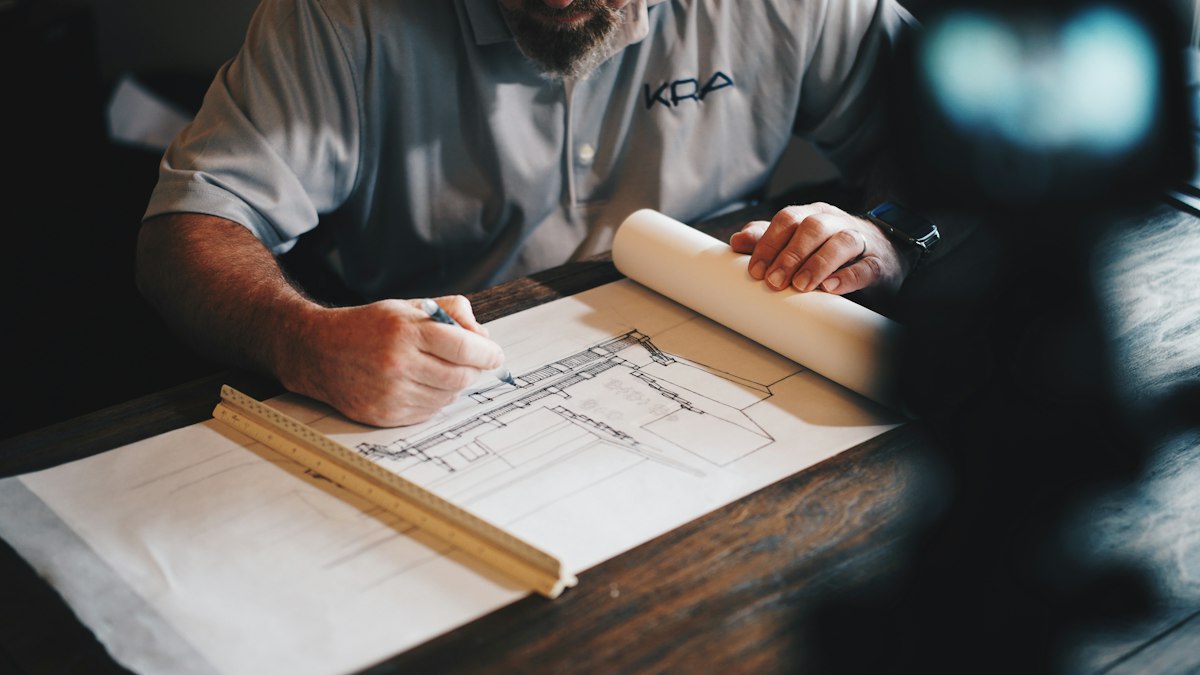
For decades, contractors have faced the same challenge: helping homeowners visualize what a remodel will look like before construction begins. The traditional options — mood boards, material samples, hand sketches, or expensive 3D renderings from a designer — are either too vague or too slow and costly.
This visualization gap costs contractors deals. When a homeowner can't see what they're paying for, they hesitate. They get second opinions. They delay. And often, they choose the contractor who can show them a compelling visual — even if that contractor's bid is higher.
How AI design engines work
Modern AI design tools use generative models trained on millions of interior design images. You provide an input — a room photo, a 3D scan, or an architectural plan — and the AI generates a photorealistic image of that same room with new materials, fixtures, and finishes applied.
The key innovation is that the AI preserves the room's geometry and lighting while changing the surfaces. So when you tell it to replace oak cabinets with white shaker cabinets, it doesn't just paste a generic image — it renders the new cabinets in the exact perspective, lighting, and scale of the original room. This is a significant step beyond tools like Renovate AI, which offer basic style transfers but lack geometric accuracy.
Alcovia's AI engine goes further by accepting natural language prompts. You can type 'replace the countertops with white marble, add a subway tile backsplash, and change the flooring to wide-plank oak' — and the AI generates a photorealistic render of exactly that.
From scan to render in 15 minutes
The fastest workflow combines LiDAR scanning with AI design. Here's how it works in Alcovia:
1. Scan the room with your phone (2-3 minutes) 2. The app generates a 3D model and base render 3. Prompt the AI with the changes you want to show the client 4. The AI generates a photorealistic render (1-2 minutes) 5. Export a client-ready PDF presentation
The entire process takes less than 15 minutes. Compare that to the traditional workflow: hire a designer ($500-2,000), wait 1-2 weeks for renderings, go through revision cycles, and hope the client likes the result.
Impact on close rates
Contractors using AI-powered visualization tools report significantly higher close rates. The reason is simple: when a homeowner can see a photorealistic image of their new kitchen — with their specific room dimensions, their chosen materials, their lighting — the project becomes real in their mind.
Alcovia users report an average close rate increase of 25-40% after adopting the platform. For a contractor doing $500K in annual revenue, that translates to $125K-200K in additional closed business per year.
The future of AI in remodeling
AI design tools are evolving rapidly. In the near future, expect real-time AI rendering (changes appear instantly as you adjust materials), AI-generated material takeoffs directly from renders, and AI-powered cost estimation that updates as the design changes.
The contractors who adopt these tools early will have a significant competitive advantage. Those who wait will find themselves competing against contractors who can show a homeowner a photorealistic render of their dream kitchen before they leave the first consultation. See our full comparison of remodeling software tools to understand where each platform fits.
See AI remodeling design in action
Scan a room, prompt the AI, and generate a photorealistic render in minutes. Try your first project free.
Start your free project